Table Of Content
If you think you have age-related hair loss, talk to your doctor about treatment early on. Not all researchers agree that spironolactone works, and the FDA has not endorsed it as a treatment for androgenic alopecia. However, the medication has still been used off-label for years to treat hair loss in women. More research is needed before definitive claims can be made regarding its effectiveness. This type of hair loss occurs slowly, over the course of several months or years.
Some shedding is normal
For women who are experiencing a receding hairline (frontal fibrosing alopecia), talk with your doctor about early treatment to avoid significant permanent baldness. Many people think that hair loss only affects people assigned male at birth (AMAB). However, studies show that more than 50% of people assigned female at birth will experience noticeable hair loss. The most significant cause of hair loss in women is female-pattern hair loss (FPHL).
16 Best Hair Growth Shampoos, Tested & Reviewed by Experts 2024 - ELLE
16 Best Hair Growth Shampoos, Tested & Reviewed by Experts 2024.
Posted: Fri, 19 Apr 2024 07:00:00 GMT [source]
Androgenetic alopecia
If traction alopecia continues, a person may develop patches of hair loss and thinning of the hair. Telogen effluvium is a condition in which the hair remains in the telogen phase of the cycle. This causes more hair than usual to fall out, sometimes in handfuls. It is natural for a certain amount of hair to shed every day.
Male-pattern baldness

While male hair loss tends to affect the forehead or the crown of the head, female hair loss often leads to thinning on the top third to half of the scalp. Your part may gradually become wider, you might see more of your scalp when your hair is pulled back, or your ponytail could be less full. Doctors sometimes prescribe other treatments off-label to reduce the incidence of hair loss in women. Otherwise known as Aldactone, spironolactone works to treat hair loss by acting on hormones. Specifically, it binds to androgen receptors and decreases the body’s processing of testosterone.
Stay on top of latest health news from Harvard Medical School.
Hair loss can also occur as a medication side effect or if you have underlying health conditions, such as lupus. Typically, the most common types of hair loss are treated with topical or oral medications, which will likely be the first course of treatment. There’s a range of treatment options for hair loss, but the best option for you will depend on what’s causing your hair loss. It’s important to keep in mind that hair growth is a complex process and multiple tests may be needed to understand what is causing your hair loss.
It's not easy, but try to come to terms with your hair loss. One way to do this is to make a list of all your good qualities and focus your energy on celebrating these attributes. Losing your hair as a woman, especially if you're young or at a vulnerable time in your life, can badly affect your confidence.
Many females who experience androgenetic alopecia develop it after menopause. If you notice hair loss, talk to your doctor as soon as you can. The FDA has approved a few laser treatment devices to treat hair loss at home. But we need more studies into their safety and effectiveness for long-term use. When you see a doctor to see what's causing your hair loss, they’ll probably start with a physical exam and ask about your diet, family history, and medical history. They may ask whether any of your relatives have hair loss.
The type and severity of hair loss you experience may determine the outcome (prognosis). Some types of hair loss are permanent, especially if you have damage to your hair follicles. For example, anagen and telogen shedding may stop with time. Managing any underlying health conditions improves hair loss. And early treatment of alopecia may reduce the speed of thinning and promote regrowth. A healthcare provider can tell you more about what to expect in your situation.
Itchy Scalp and Hair Loss: What Causes Both Symptoms?
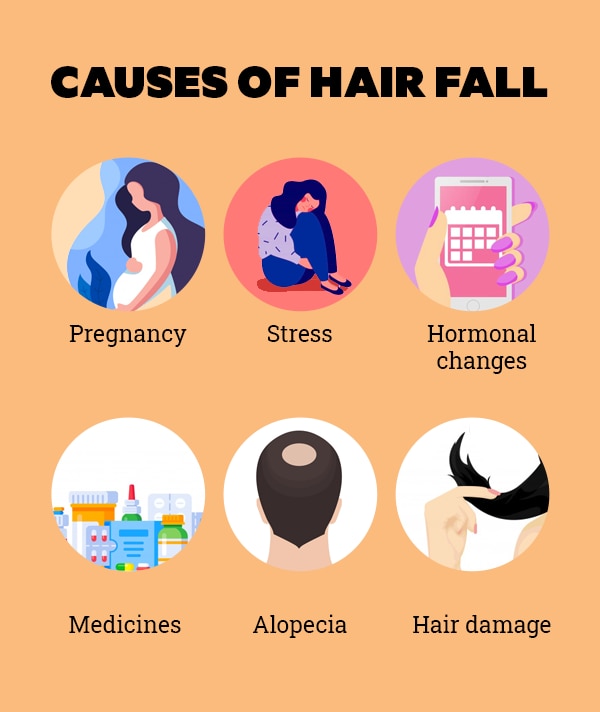
However, some individuals will experience further hair loss. This is a procedure in which your doctor removes hair from a part of your scalp where hair growth is full and implants it into an area where hair is thinning. You can have hair loss as a result of physical stress, like when you give birth or have surgery, or intense emotional stress, like a death in the family, divorce, or unemployment. Hair loss can happen a couple of weeks to 6 months after any stressful experience. But some factors may make a woman more likely to experience hair loss.
However, if you’ve noticed more strands falling out of your head than normal, you may be experiencing alopecia, the medical term for hair loss. Common diagnoses include androgenetic alopecia, alopecia areata, telogen effluvium, and lymphocytic scarring alopecia, Agbai tells USA TODAY. The natural aging process is one of the leading causes of hair loss that affects both men and women. Over time, hair growth slows down and hair follicles eventually stop growing hair altogether. These two things in combination cause hair on the head to thin and recede.
Hair usually starts to regrow within months of finishing chemotherapy or radiation treatments to the head or neck. Dermatologists can offer medication to help hair grow back more quickly. Most women lose a lot of hair a few months after giving birth. Later in life, some women notice extra shedding during menopause. You might also notice shedding if you’re dealing with other hormonal changes, such as stopping birth control pills.
It's also common for women to lose more hair than usual up to 3 months after they've given birth. See a GP to get an idea about what's causing your hair loss before thinking about going to a commercial hair clinic. Tell them if your hair loss is affecting your wellbeing, and ask what treatments are available. "Vitamin B12 deficiency often causes hair loss as it can affect the health of red blood cells, which carry oxygen to your tissues" says Anabel.
Low levels of iron, zinc, and vitamins B12 and D have been linked to hair loss. All seemingly have a role in stimulating hair growth or helping with follicle health. The Food and Drug Administration (FDA) has approved two low-light lasers to help treat hair loss. The HairMax Lasercomb is approved to treat female-pattern hair loss and male-pattern hair loss, and the Theradome LH80 PRO Helmet is also approved to treat hair loss. Hair loss treatments aim to prevent further hair loss and regrow hair.
Generally, the hair loss is patchy and accompanied by lesions on the scalp. Traction alopecia results from too much pressure and tension on the hair, often from wearing it in tight styles, like braids, ponytails, or buns. The main symptom of alopecia is losing more hair than usual, but this can be harder to identify than you might think. A doctor may recommend dietary changes and supplements to treat a nutritional deficiency. Certain medications have side effects that can cause hair to fall out.
Both men and women develop this type of hair loss, which is the most common cause of hair loss worldwide. Regardless of whether it develops in a man or women, the medical term is androgenic alopecia. Prescription medications, like finasteride (Propecia), may help prevent further androgenetic hair loss, especially for male pattern baldness. You take this medication daily to slow hair loss, though some experience new hair growth when taking finasteride. According to the American Academy of Dermatology, it’s completely normal to shed anywhere between 50 to 100 strands of hair per day.


No comments:
Post a Comment